Year 7 – 9
Music

Key Stage: KS3
The Music Department at Hammersmith Academy provides all students, regardless of ability or background, with a high-quality, accessible music education. We foster both musical and transferable skills, instilling a lifelong love of music that builds self-confidence and creativity.
Music at Hammersmith Academy encourages students to explore diverse musical styles from a wide range of cultures and traditions through focused work on composing, performing, and listening & appraising. These three strands run through the curriculum at all key stages, forming the foundation of our musical approach.
Through composing, performing and listening, students develop not only theoretical knowledge, creativity and practical musicianship, but also personal and professional skills that will benefit them throughout their lives.
These include:
- Problem-solving and resilience
- Teamwork and communication
- Organisation, planning and time management
- Growth mindset, self-discipline and self-evaluation
Music provides a safe outlet for emotional expression and offers proven cognitive benefits — improving focus, memory, and verbal intelligence.
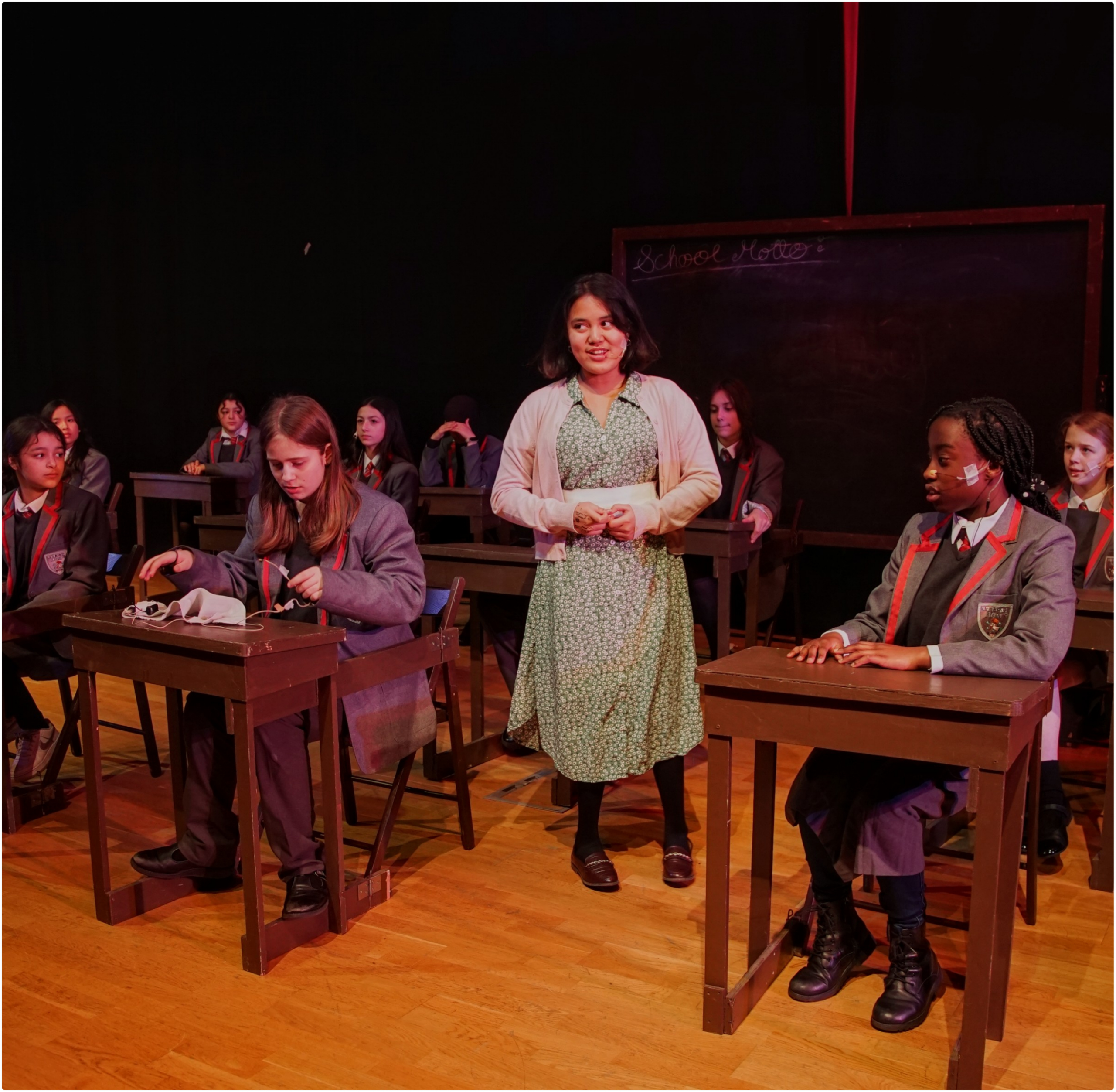
The department provides valuable musical experiences both inside and outside the classroom, built on professionalism and pride in performance. Students participate in structured Session 3 activities, workshops, and termly concerts, developing musical excellence through hands-on learning.
Partnerships with the Royal College of Music and the Tri-borough Music Hub provide unique opportunities to work with professional musicians and educators, inspiring ambition and excellence.
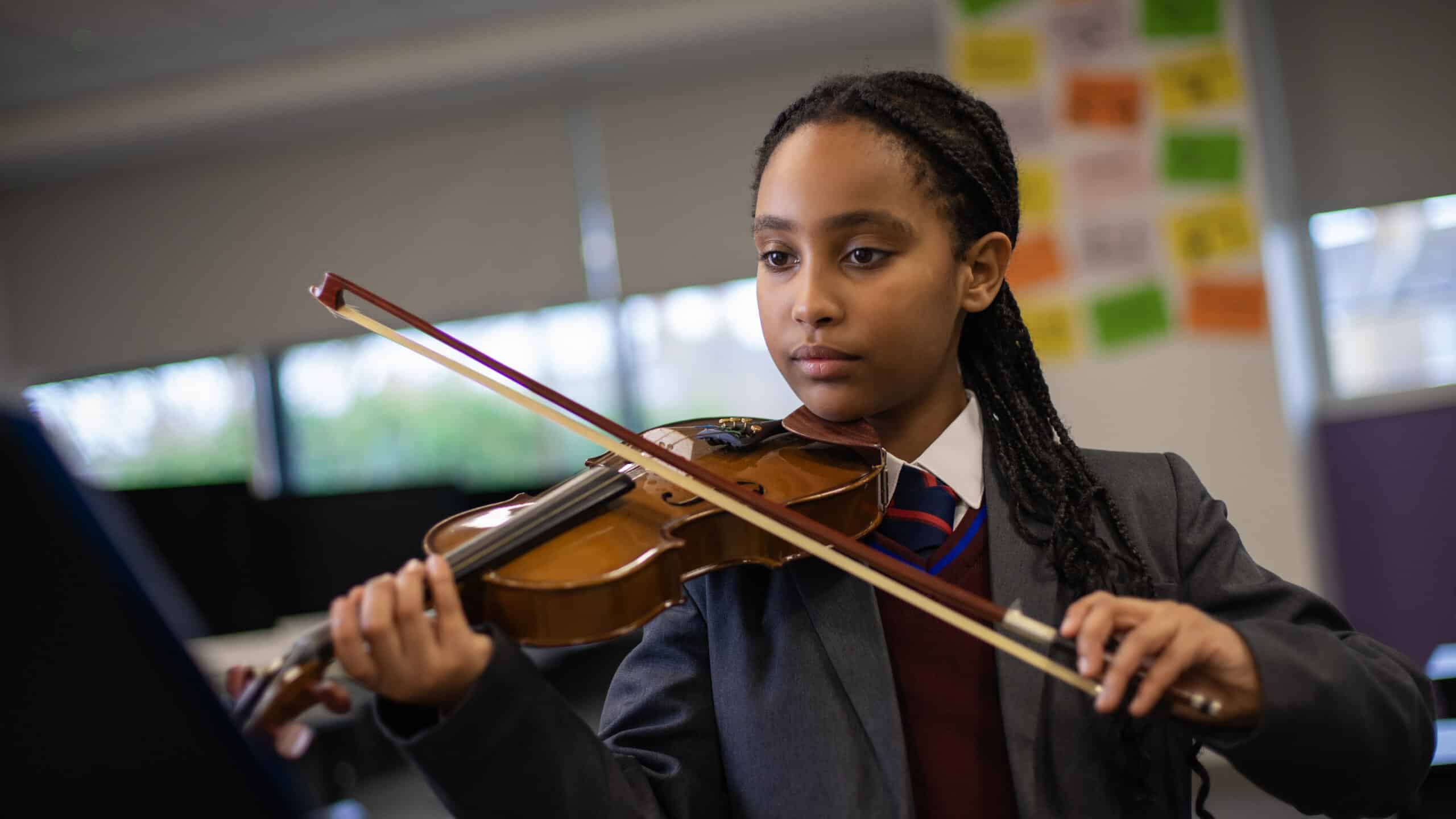
At Key Stage 3, students experience a broad curriculum that nurtures enjoyment and appreciation of music while encouraging creativity and collaboration. Lessons make extensive use of instruments and music technology – particularly the Mac Room – helping students compose, record and perform using industry-standard software.
Year-by-Year Curriculum
Year 7
Students are introduced to the building blocks of music and the fundamentals of performance and composition. They explore rhythm, pitch and harmony while developing teamwork and listening skills through ensemble playing.
Modules include:
- Instruments and Elements (Module 1)
- Rhythm (Module 2)
- Pitch (Module 3)
- Primary Chords (Module 4)
- African Drumming (Module 5)
- GarageBand (Module 6)
Students learn the foundations of musical listening through the elements of music and explore how instruments contribute to an orchestra.
Year 8
Students broaden their understanding of musical styles and traditions, learning how structure, repetition and texture shape different genres.
Modules include:
- Gamelan (Module 1)
- Minimalism (Module 2)
- EDM / Club Dance (Module 3)
- Blues (Module 4)
- Film Music Part 1 (Module 5)
- Film Music Part 2 (Module 6)
They continue to build rhythmic precision, melodic awareness and compositional technique, incorporating digital tools to enhance creativity.
Year 9
Students deepen their musical understanding and technical skills, preparing for GCSE-level study through more advanced composition and performance work.
Modules include:
- Reggae (Module 1)
- Musical Theatre and Dance (Module 2)
- Classical Minuet (Module 3)
- Sequencing (Module 4)
- Hooks and Riffs (Module 5)
- End of Year Project (Module 6)
Students strengthen their analytical listening and critical reflection while demonstrating independence in performing and composing original music.
Skills Gained
- Performing, composing and critical listening
- Collaboration and communication
- Creativity and innovation
- Self-discipline and confidence
- Time management and organisation
These skills extend far beyond the classroom, supporting personal growth, academic success and future employability.
Partnerships & Enrichment
Students are enriched through a strong programme of extracurricular opportunities and partnerships that develop their musicianship and passion for the arts. Students regularly perform in termly concerts, both as soloists and in ensembles, and many take part in the school musical. A range of clubs supports musical development beyond the classroom, including:
- Choir
- Orchestra
- Rock Band
- Keyboard Club
- Music Technology Club
Students also have opportunities to perform in wider community settings through local Music Hub events.
Key partners include:
- Royal College of Music
- Tri-borough Music Hub
- The Rhythm Studio
Regular workshops, concerts and collaborations give students opportunities to perform, compose and connect with professionals in the music industry.


Potential Careers
Studying Music opens doors to creative and professional pathways, including:
Music Production and Sound Engineering | Performing Arts and Composition | Event Management and Marketing | Education and Community Arts | Media, Film and Broadcasting
Music also enhances transferable skills that are valuable across a range of careers requiring teamwork, creativity and communication.