Year 10 – 11
Media Studies

Key Stage: KS4

Exam Board: Eduqas

Qualification Gained: GCSE Media Studies

Assessment breakdown:
The Eduqas GCSE Media Studies course is assessed through two written examinations and one non-exam assessment (NEA):
- Component 1: Exploring the Media (40%) – Assessed by written exam; students analyse media language, representations, audiences and industries across a range of forms.
- Component 2: Understanding Media Forms and Products (30%) – Assessed by written exam; students explore media in depth through television, music, and online media case studies.
- Component 3: Creating Media Products (30%) – Non-Exam Assessment (NEA); students apply their knowledge to plan, design and create an original media product in response to an exam board brief.
This combination of theory and practical work allows students to develop both analytical precision and creative production skills.
Media Studies empowers students to become critical, informed and engaged citizens who can analyse and create media in a rapidly evolving world. Students explore the role of media in shaping opinions, culture and identity, developing the ability to think critically about the messages they consume and produce.
The Media Studies curriculum at Hammersmith Academy enables students to build a rich understanding of the creative industries, combining academic analysis with hands-on creativity. Through the study of film, television, music, advertising, magazines, games and online media, students learn how media products are made, distributed and consumed in different contexts.
At Key Stage 4, students are introduced to key media frameworks — media language, representation, audience, and industry — which underpin the analytical and creative processes of the subject. Each framework is explored individually before being integrated through cross-media case studies, helping students to see how the forms interact and influence one another.
Throughout the course, students:
- Develop critical analysis and essay writing skills.
- Learn to apply theoretical ideas to set texts and unseen examples.
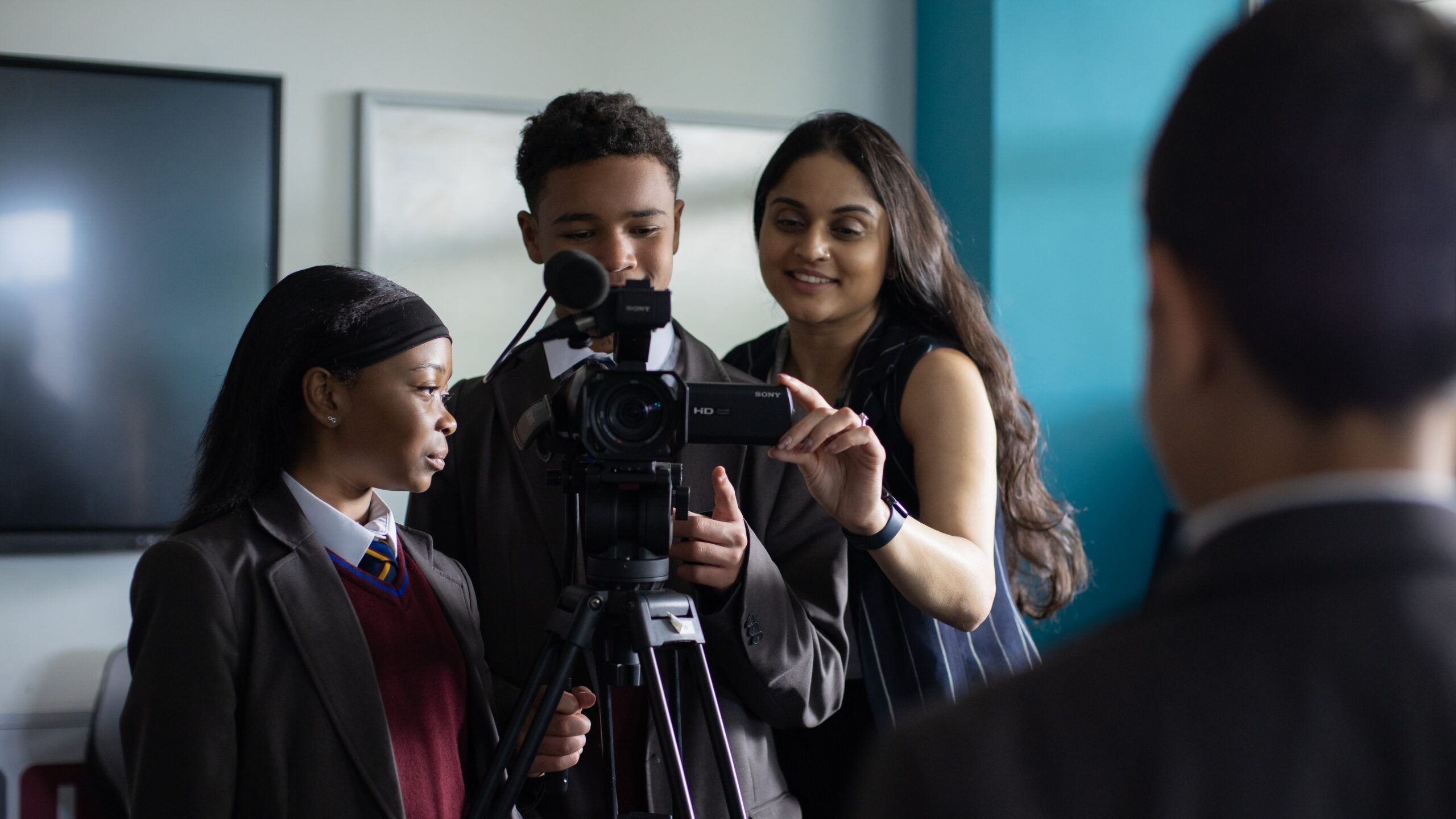
- Gain practical experience using digital design and editing tools.
- Create original media products that reflect contemporary issues and creative innovation.
This balance of analytical and practical learning nurtures creativity, collaboration, and confidence. The curriculum also reinforces key literacy, ICT and design skills, preparing students for both higher education and careers within the creative sector.
By revisiting key knowledge, skills and set texts across the two years, students consolidate their understanding of media forms, genre and representation — applying this to their own independent work through the Non-Exam Assessment (NEA).
Year-by-Year Curriculum
Year 10
Students explore the foundational concepts of media language, audience, representation and industry, applying them across a diverse range of forms.
Modules include:
- Film Industry – James Bond (Module 1)
- Videogame & Radio Industry – Fortnite & Desert Island Discs (Module 2)
- Newspapers – The Guardian & The Sun (Module 3)
- Advertising Industry – Quality Street & NHS 111 (Module 4)
- Magazine Industry – Vogue & GQ & NEA (Module 5)
- NEA & Revision (Module 6)
Lessons integrate analytical discussion with creative design work, building familiarity with exam-style questions and production techniques.
Year 11
Students revisit the four media frameworks through in-depth case studies, applying theoretical and analytical skills across new media forms.
Modules include:
- Music Industry – Taylor Swift & NEA (Module 1)
- Music Industry – Stormzy & TLC (Module 2)
- TV Crime Drama – Trigger Point & The Sweeney (Module 3)
- Frameworks Revision (Modules 4–6)
The year focuses on reinforcing conceptual understanding, refining production work for the NEA, and developing confidence in extended analytical writing and cross-media comparisons
Skills Gained
- Media analysis and critical thinking
- Creative planning and production
- Research and independent enquiry
- Essay writing and argument construction
- Digital literacy and editing
- Collaboration and project management
These skills enable students to engage critically with the media they consume and to communicate their own ideas effectively across a range of creative formats.
Partnerships & Enrichment
Students benefit from professional insight and creative enrichment opportunities through partnerships and visits, including:
- BFI Into Film
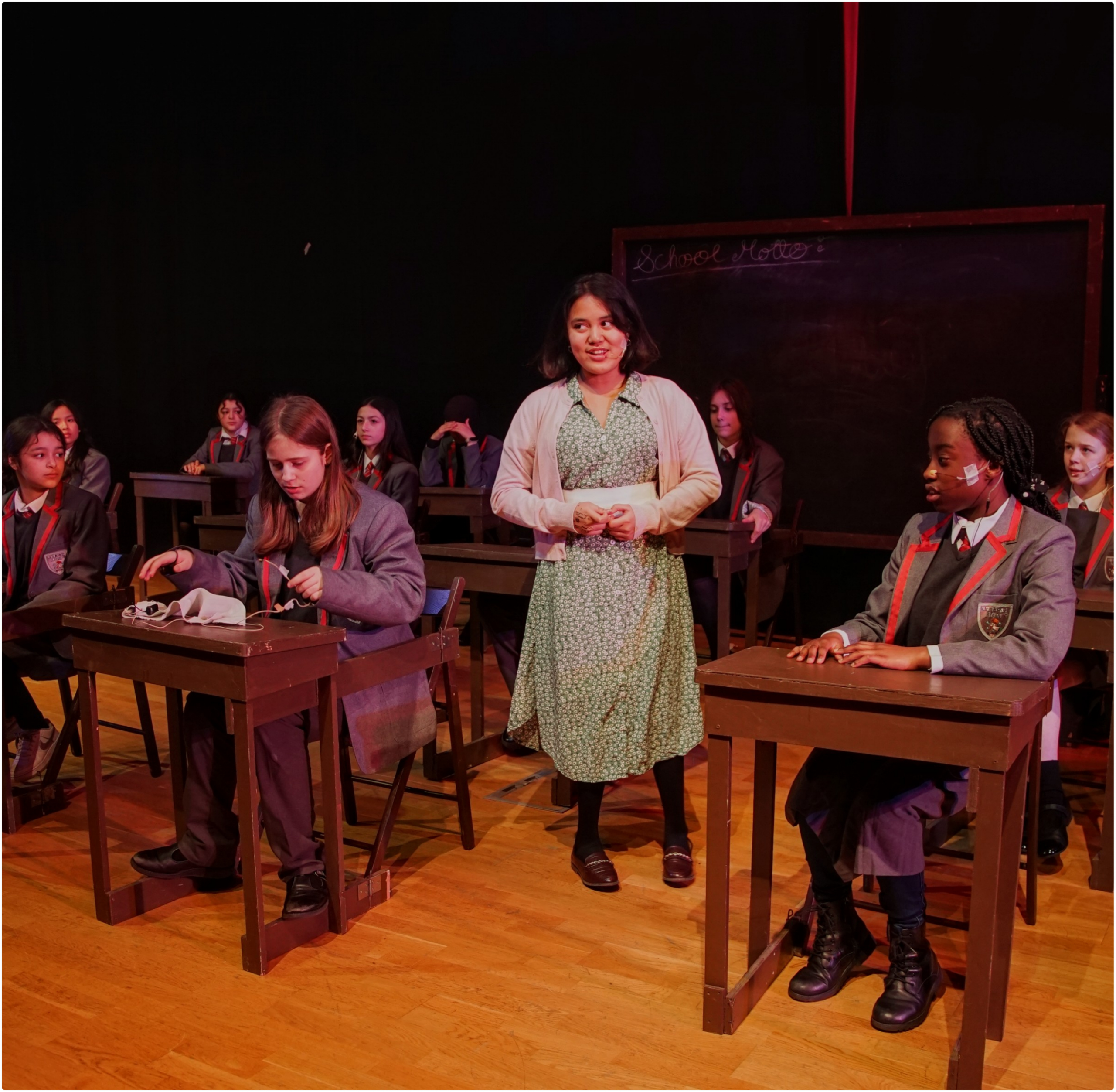
- LAMDA
- Banijay Film and TV
These experiences provide exposure to the professional world of media, inspiring ambition and helping students understand how creative ideas become industry realities.


Potential Careers & Progression
GCSE Media Studies provides a strong foundation for:
A-Level Media Studies or Film Studies | BTEC Creative Media Production or Digital Design | Creative Industries pathways
Possible career routes include journalism, television and film production, marketing, digital communications, game design, advertising and content creation. The course develops analytical, creative and technical expertise valued across all areas of media and communication.