Year 10 – 11
Geography

Key Stage: KS4

Exam Board: AQA

Qualification Gained: GCSE Geography

Assessment breakdown:
The AQA GCSE Geography course is assessed through three written examinations:
- Paper 1: Living with the Physical Environment (35%) – Covers natural hazards, ecosystems, and physical landscapes in the UK.
- Paper 2: Challenges in the Human Environment (35%) – Explores urban issues, economic development, and resource management.
- Paper 3: Geographical Applications (30%) – Involves fieldwork, problem-solving, and decision-making tasks based on pre-release material.
Assessment balances knowledge, application, and analytical skills, testing both students’ understanding of global issues and their ability to interpret data and evaluate evidence.
The Geography curriculum at Hammersmith Academy aims to deliver an engaging and challenging learning experience that helps students make sense of the world around them.
Our vision is to:
- Deliver an engaging and challenging curriculum that connects students with real-world issues.
- Build knowledge cumulatively across topics and key stages to encourage conceptual understanding.
- Ensure relevance by linking geographical content to current global and local challenges.
- Develop key geographical skills in enquiry, analysis, and fieldwork to foster independent and critical thinking.
- Prioritise inclusivity, ensuring all learners — including SEND and Pupil Premium students — can access and succeed.
- Commit to continuous improvement by regularly reviewing curriculum content and delivery.
This approach ensures that Geography at Key Stage 4 remains relevant, rigorous and responsive to the ever-changing world.
At Hammersmith Academy, we aim to:
- Deliver a culturally rich, contextually relevant, and high-skilled Geography curriculum.
- Equip students with a deep understanding of both human and physical processes, and how they interact across different scales.
- Promote awareness of major global challenges such as climate change, urbanisation, and resource management.
- Develop students’ ability to explain, debate, and justify decisions using well-evidenced case studies.
- Encourage curiosity, reflection and critical thinking, preparing students for lifelong learning and informed citizenship.
- Make learning contextual and purposeful, drawing on examples from local, national, and international contexts.
The course builds directly on Key Stage 3 foundations, enabling students to deepen their understanding of key geographical concepts while applying analytical and investigative skills. Lessons combine data interpretation, map reading, and fieldwork, allowing students to see geography as both an academic discipline and a tool for real-world problem-solving.
Through classroom learning and fieldwork experiences, students develop confidence in using graphs, interpreting spatial data, and evaluating human and physical interactions — skills essential for both examination success and practical application.
Year-by-Year Curriculum
Year 10
Students begin by exploring the physical environment and develop understanding of how natural systems and human activities interact.
Modules include:
- Living with the Physical Environment – The Challenge of Natural Hazards (Module 1)
- Living with the Physical Environment – Section A: The Challenge of Natural Hazards & Section C: Physical Landscapes in the UK (Module 2)
- Challenges in the Human Environment – Section A: Urban Issues and Challenges (Module 3)
- Challenges in the Human Environment – Section A: Urban Issues and Challenges & Section B: The Changing Economic World (Module 4)
- Living with the Physical Environment – Section C: Physical Landscapes in the UK & Section B: Fieldwork (Module 5)
- Section B: Fieldwork (Human) (Module 6)
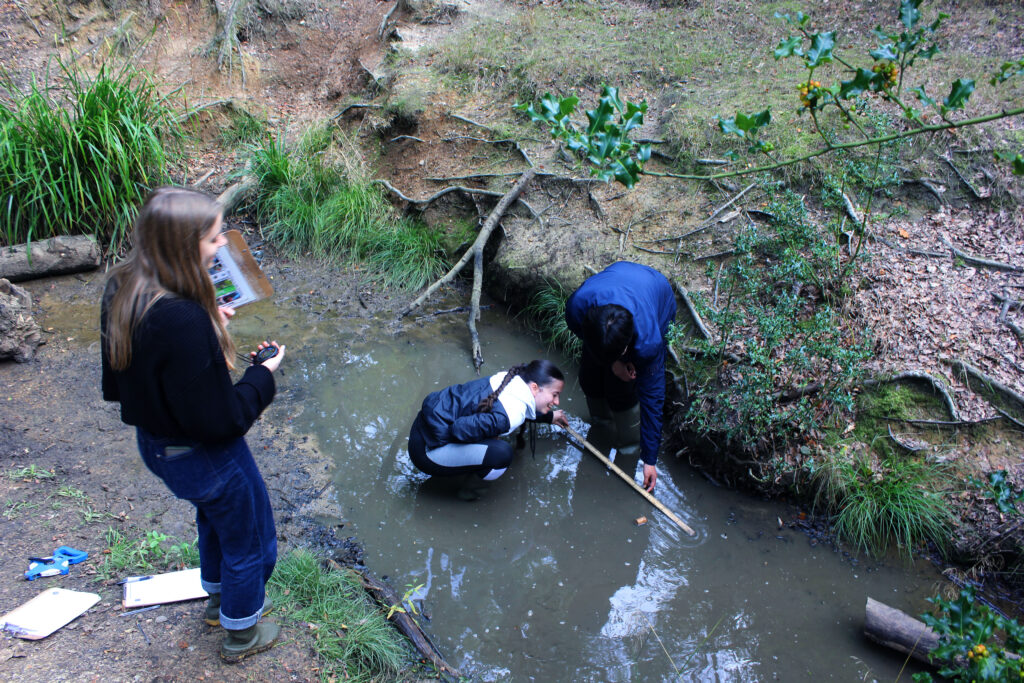
Students develop fieldwork skills, using data collection, interpretation, and evaluation techniques to build their geographical enquiry capabilities.
Year 11
Students focus on global development, resource management and synoptic links between human and physical geography.
Modules include:
- Challenges in the Human Environment (Module 1)
- Section B: The Living World (Module 2)
- Section B: The Changing Economic World (Focus on UK) & Section C: The Challenge of Resource Management (Module 3)
- Section C: The Challenge of Resource Management (Module 4)
- Revision and Exam Preparation (Module 5)
By the end of the course, students are able to apply their knowledge to real-world contexts, using evidence to support geographical arguments and problem-solving tasks.
Skills Gained
- Geographical enquiry and fieldwork techniques
- Data collection, analysis and interpretation
- Map reading and graph skills
- Critical thinking and decision-making
- Evaluation and evidence-based reasoning
- Teamwork and independent study
These skills enable students to become independent thinkers who can investigate, question and understand the complex relationships shaping our planet.
Partnerships & Enrichment
Students benefit from external collaboration opportunities through engagement with:
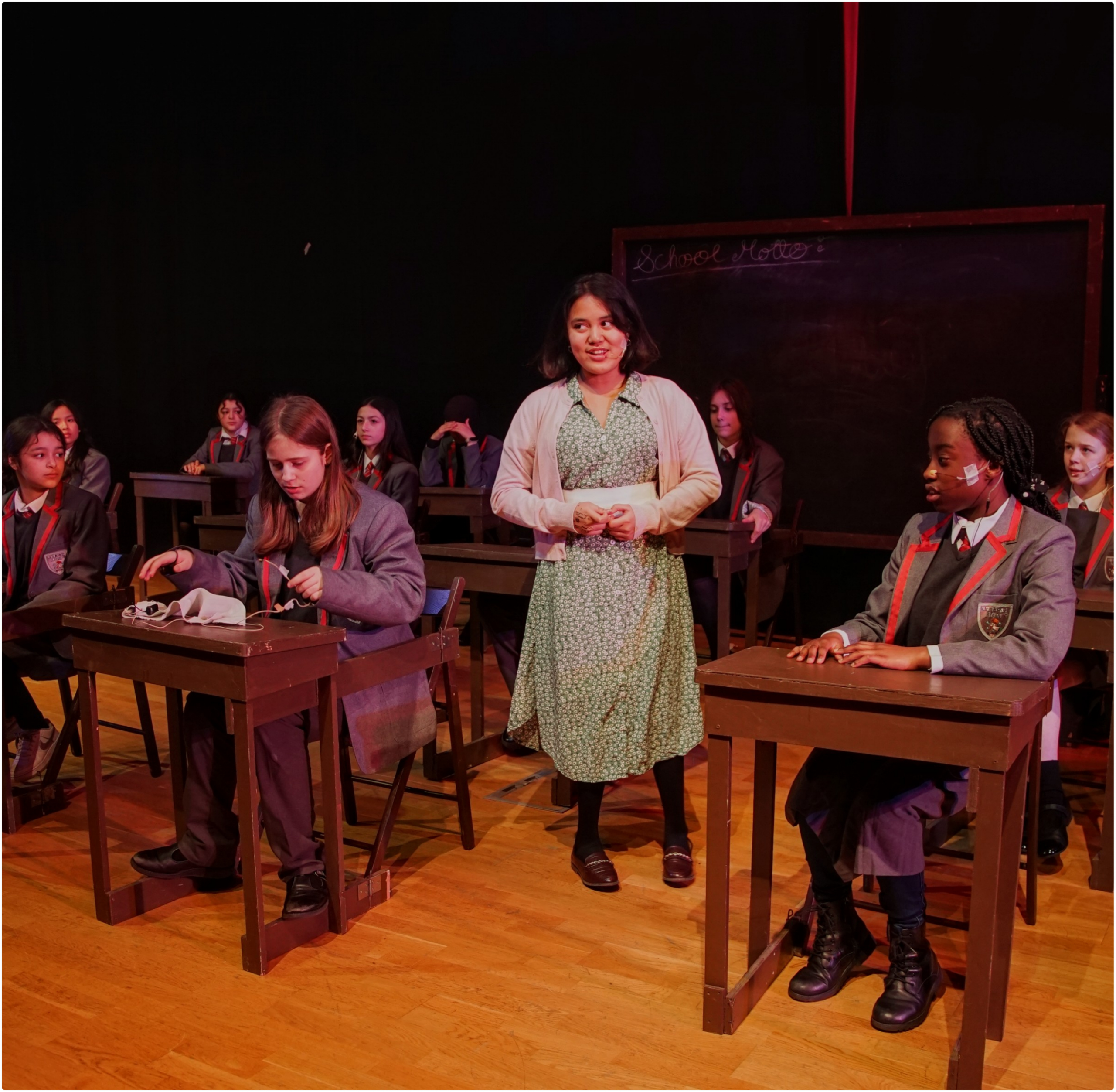
- St Paul’s Girls’ School
This partnership supports the sharing of expertise and academic practice, enriching students’ understanding of Geography beyond the classroom and providing opportunities for collaboration, challenge, and broader subject insight.

Potential Careers & Progression
GCSE Geography provides a strong foundation for:
A-Level Geography or Environmental Science | BTEC Travel and Tourism or Global Studies | AAQ Environmental and Sustainability Pathways
Career routes include urban planning, environmental management, law, architecture, meteorology, conservation, and international relations. Geography equips students with the analytical and problem-solving skills valued across many professions.