Year 10 – 11
Financial Literacy

Key Stage: KS4 (Year 10-11)
At Key Stage 4, students deepen their understanding of personal finance and develop the knowledge needed to make informed financial decisions as young adults. The curriculum focuses on employability, budgeting, borrowing and financial responsibility, supporting students as they prepare for post-16 education, employment and adult life.
Students are encouraged to think critically about money, future planning and the financial choices they may face in everyday life.
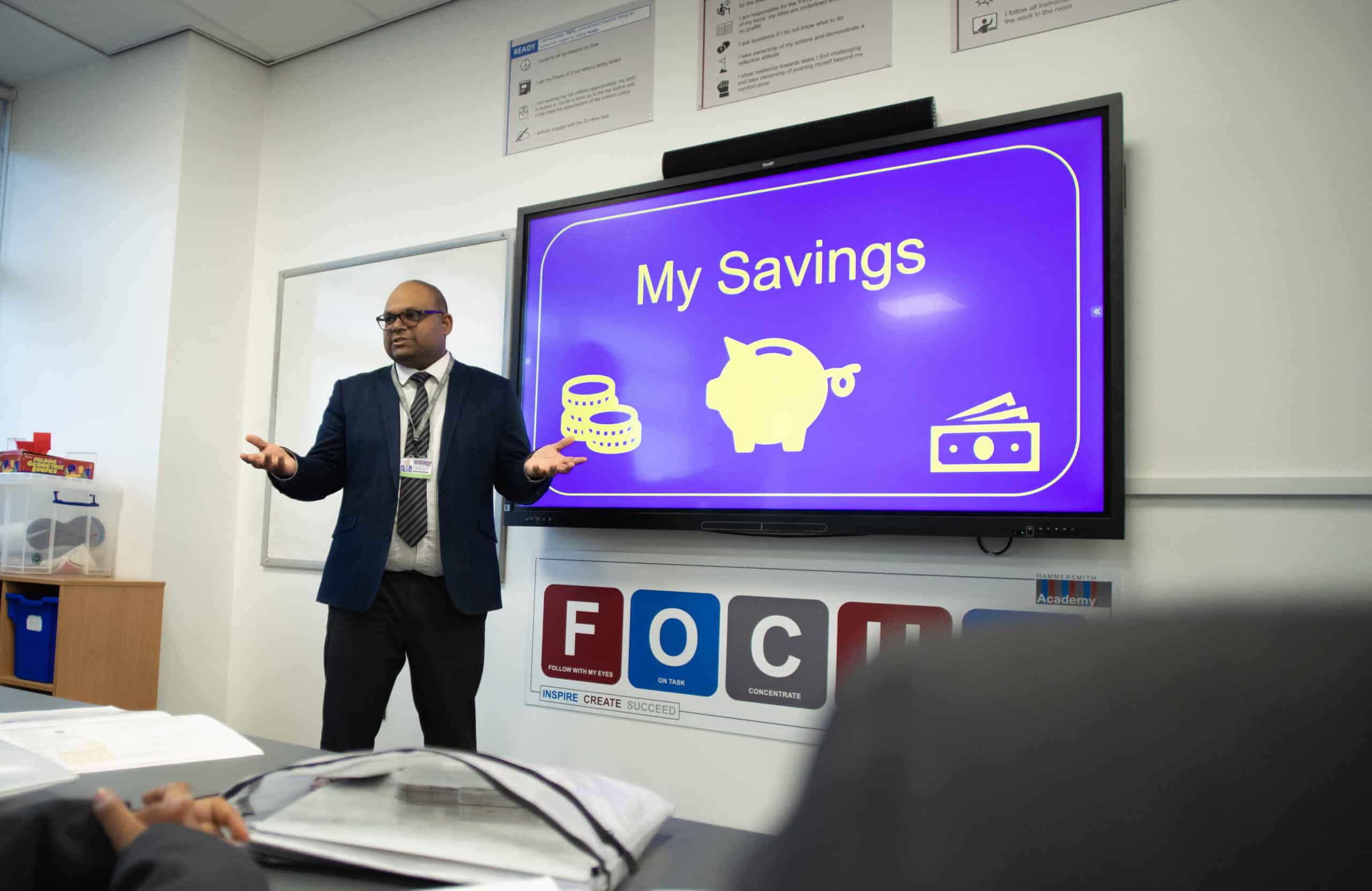
Recognised Excellence in Real-World Financial Education
Hammersmith Academy has been recognised by Young Enterprise as a Centre of Excellence for Financial Education in recognition of our commitment to delivering high-quality financial education. Embedded throughout Years 7 to 13, our Financial Literacy curriculum equips students with the practical knowledge, confidence and decision-making skills needed to navigate real-world financial challenges and prepare successfully for adult life.
Financial Literacy Session Overview
Year 10 Curriculum
In Year 10, students explore employability, workplace expectations and the relationship between financial wellbeing and future career pathways.
Sessions
- Lifestyle Learning
- What Employers Want
- What Employers Want – Skills
- How To Talk About Money
Year 11 Curriculum
In Year 11, students develop a deeper understanding of budgeting, financial planning, borrowing and managing financial decisions responsibly.
Sessions
- What is a Budget?
- How to Balance a Budget?
- The Budget Balance – Decisions
- Lending and Borrowing
Preparing Students for Adult Life
The Key Stage 4 Financial Literacy curriculum ensures students are equipped with the practical knowledge and confidence needed to navigate financial responsibilities independently and successfully.
Skills Gained
Through the Key Stage 4 Financial Literacy programme, students develop:
- Practical budgeting and money management skills
- Understanding of borrowing, lending and financial responsibility
- Greater awareness of employability and workplace expectations
- Confidence discussing financial matters and future planning
- Decision-making and problem-solving skills linked to real-world financial situations
- Understanding of how lifestyle choices can impact financial wellbeing
- Preparation for financial independence beyond Key Stage 4