Year 12 – 13
Photography

Key Stage: KS5

Exam Board: Edexcel

Qualification Gained: A Level Photography

Assessment Breakdown:
- Personal Investigation: 60%
- Externally Set Assignment: 40%

Entry Requirements: No previous subject knowledge is required and there are no subject-specific entry requirements to study Photography A-Level, however if you have studied a GCSE in Art, DT or Media then you will be at an advantage. Eight or more GCSEs at grades 9-4. No prior subject-specific knowledge is required.
A Level Photography (Edexcel) supports students in developing a personal and distinctive visual voice. Through practical exploration and critical study, students learn to use photography as a tool for communication, expression, and analysis. The course builds from core photographic principles through to advanced editing and conceptual work, encouraging independent thinking and the production of meaningful, high-quality outcomes.
The course is structured to develop technical skill, conceptual understanding, and independent creative practice over two years. As photography is rarely studied at GCSE, Year 12 begins with the fundamentals: students learn how to take effective photographs and understand key principles such as composition, lighting, and camera control. They first master photographic “rules” before experimenting with them creatively, while developing digital editing skills to communicate ideas effectively.
As the course progresses, students research photographers, experiment with techniques, and develop their own creative responses. They also learn professional presentation skills, including creating digital portfolios and simple websites to showcase their work.
In Year 13, students undertake a Personal Investigation, developing a sustained body of work supported by written analysis and critical reflection. This leads into the Externally Set Assignment, where students respond to a theme set by Edexcel and produce a final piece under timed conditions.
Throughout the course, students refine critical thinking, independence, and a distinctive personal style, preparing them for higher education and careers in photography, media, and other creative industries.
Year-by-Year Curriculum
Year 12
Modules include:
- Module 1: Composition – Framing, perspective, and visual structure
- Module 2: Light, Shadow, Colour – How lighting and colour shape mood and meaning
- Module 3: Manipulation – Digital and physical editing techniques
- Module 4: Communication – Using imagery to convey ideas and narratives
- Module 5: Independent Project – Photographer research, idea development, experimentation
- Module 6: Independent Project Outcome – Planning and producing an End of Year piece
Year 13
Modules include:
- Module 1: Independent Project Development – Refining ideas, establishing personal direction
- Module 2: Independent Project Outcome – Final piece planning and production
- Module 3: Externally Set Assignment (ESA) – Research, experimentation, and development responding to exam board theme
- Module 4: ESA Outcome – Planning and producing final exam piece under timed conditions
- Module 5: Revision and Coursework
Skills Gained
- Practical exploration of photographic techniques: studio and natural lighting, composition, post-processing, digital and analogue workflows
- Development of technical and creative skills: camera operation, lighting control, image manipulation, and visual storytelling
- Creative thinking and personal expression: developing distinctive ideas and conceptual narratives
- Visual analysis and interpretation: critically engaging with contemporary and historic photographers
- Project management and independence: planning, executing, and presenting sustained projects
- Professional presentation: digital portfolios, exhibitions, and website creation
- Research and critical writing: supporting and contextualising creative work
These skills support learning across creative, media, and communication disciplines and prepare students for higher education and professional careers.
Partnerships & Enrichment
Students benefit from rich external experiences and cultural opportunities through engagement with:
- The Photographers Gallery
- National Portrait Gallery
- Kensington Palace
- Professional photography studios and media companies
- Artist talks, workshops, and masterclasses
- Exhibitions and photography competitions
These experiences connect classroom learning with real-world professional practice, developing creative confidence, cultural awareness, and a strong understanding of contemporary photographic practice.

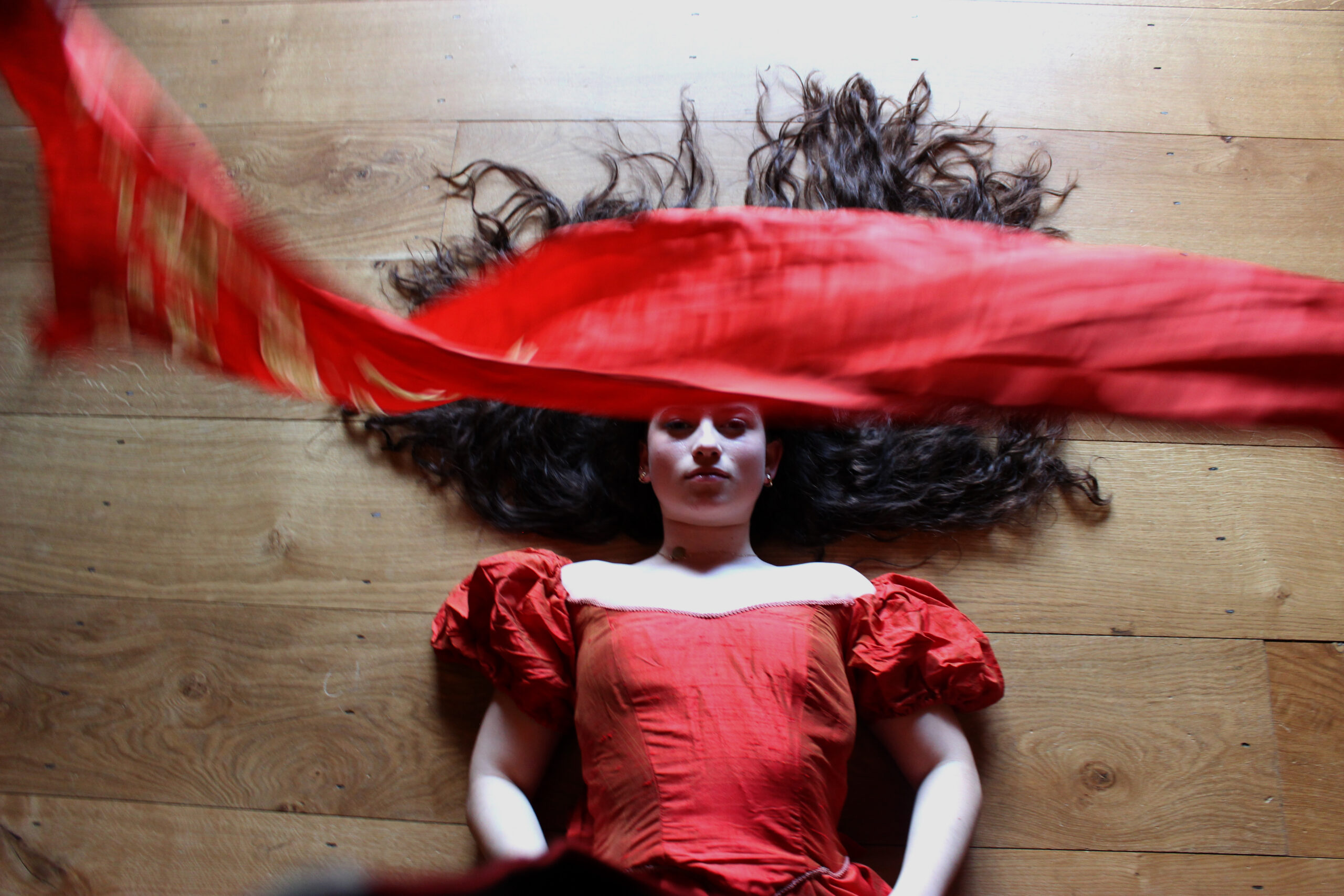
Potential Careers & Progression
The advanced technical, conceptual, and professional skills gained through A Level Photography prepare students for a wide range of careers in photography, media, and the broader creative industries:
Photography (commercial, editorial, fashion, fine art, portraiture) | Film and media production | Digital media and content creation | Graphic Design | Advertising and Branding | Photojournalism | Creative Direction | Exhibition Curation | Visual Arts | Media Entrepreneurship