Year 12 – 13
Sport

Key Stage: KS5

Exam Board: Edexcel

Qualification Gained: BTEC Level 3 National Certificate in Sport

Assessment Breakdown: This qualification consists of a combination of externally assessed units and internally assessed coursework.
Assessment methods include:
- A final written examination (Unit 1)
- Controlled assessment (Unit 2)
- Coursework portfolios
- Practical performance assessments

Entry Requirements:
Eight or more GCSEs at grades 9–4 including:
- Grade 5 in GCSE English Language
- Grade 5 in GCSE Mathematics
- Grade 5 in Physical Education* or Sport OR 5/5 in Combined Science
*We do allow BTEC Level 2 Merit if GCSE PE has not been studied.
We aim to inspire our pupils to develop their physical, emotional and social health and wellbeing by engaging in challenging and meaningful experiences that motivate them to be active for life.
The BTEC Level 3 National Certificate in Sport builds on the foundational knowledge gained at Key Stage 4 and provides an applied, industry-focused pathway for students passionate about sport, fitness, and health. Through a combination of theoretical study and practical application, students explore key disciplines such as anatomy and physiology, fitness training, leadership, and professional practice within the sports industry.
The curriculum is designed to:
- Foster a lifelong commitment to physical activity
- Develop understanding of the human body and how it responds to exercise
- Build confidence in planning, delivering and evaluating training programmes
- Promote professionalism, communication and teamwork
- Prepare students for higher education, apprenticeships and careers in the sport and leisure sector
Students benefit from a hands-on, applied learning approach, engaging with real-world scenarios and industry expectations. Practical sport units allow students to refine their performance and leadership skills, while written assignments deepen their understanding of health, wellbeing and performance optimisation.
The course also encourages reflective practice, self-management, and personal development, supporting students to develop healthy lifestyle habits and leadership attributes they can carry into adulthood.
Year-by-Year Curriculum
Year 12
Module 1:
Unit 1 — Anatomy & Physiology (Skeletal System)
Unit 7 — Practical Sport
Module 2:
Unit 1 — Anatomy & Physiology (Muscular System)
Unit 7 — Practical Sport
Module 3:
Unit 1 — Anatomy & Physiology (Respiratory System)
Unit 7 — Practical Sport
Module 4:
Unit 1 — Anatomy & Physiology (Cardiovascular System)
Unit 7 — Practical Sport
Module 5:
Unit 1 — Anatomy & Physiology (Energy Systems)
Unit 7 — Practical Sport
Module 6:
Unit 1 — Anatomy & Physiology Final Written Exam
Unit 7 — Practical Sport
Unit 2 — Fitness Training & Programming for Health, Sport and Wellbeing (Introduction)
Year 13
Module 1:
Unit 2 — Fitness Training & Programming for Health, Sport and Wellbeing
Module 2:
Unit 2 — Fitness Training & Programming (Completion)
Module 3:
Unit 3 — Professional Development in the Sports Industry
Module 4:
Unit 3 — Professional Development: Skills, CVs, Interviews, Work-Related Learning
Module 5:
Unit 3 — Professional Development: Final Assessment
Skills Gained
Students develop a strong foundation of sector-specific and transferable skills, including:
- Understanding of five major body systems
- Knowledge of lifestyle choices and healthy living
- Ability to perform fitness testing
- Competence in planning and leading training programmes
- Reflective practice and personal development
- Communication, teamwork and leadership
- Organisation, time management and professional conduct
- Preparation for further study and work in sport and health sectors
Partnerships & Enrichment
Students benefit from partnerships and opportunities such as:
- UCFB Wembley (sports coaching, leadership and careers exposure)
- Body Works (practical workshops and health/fitness insights)
- Access to sporting fixtures and competitive teams
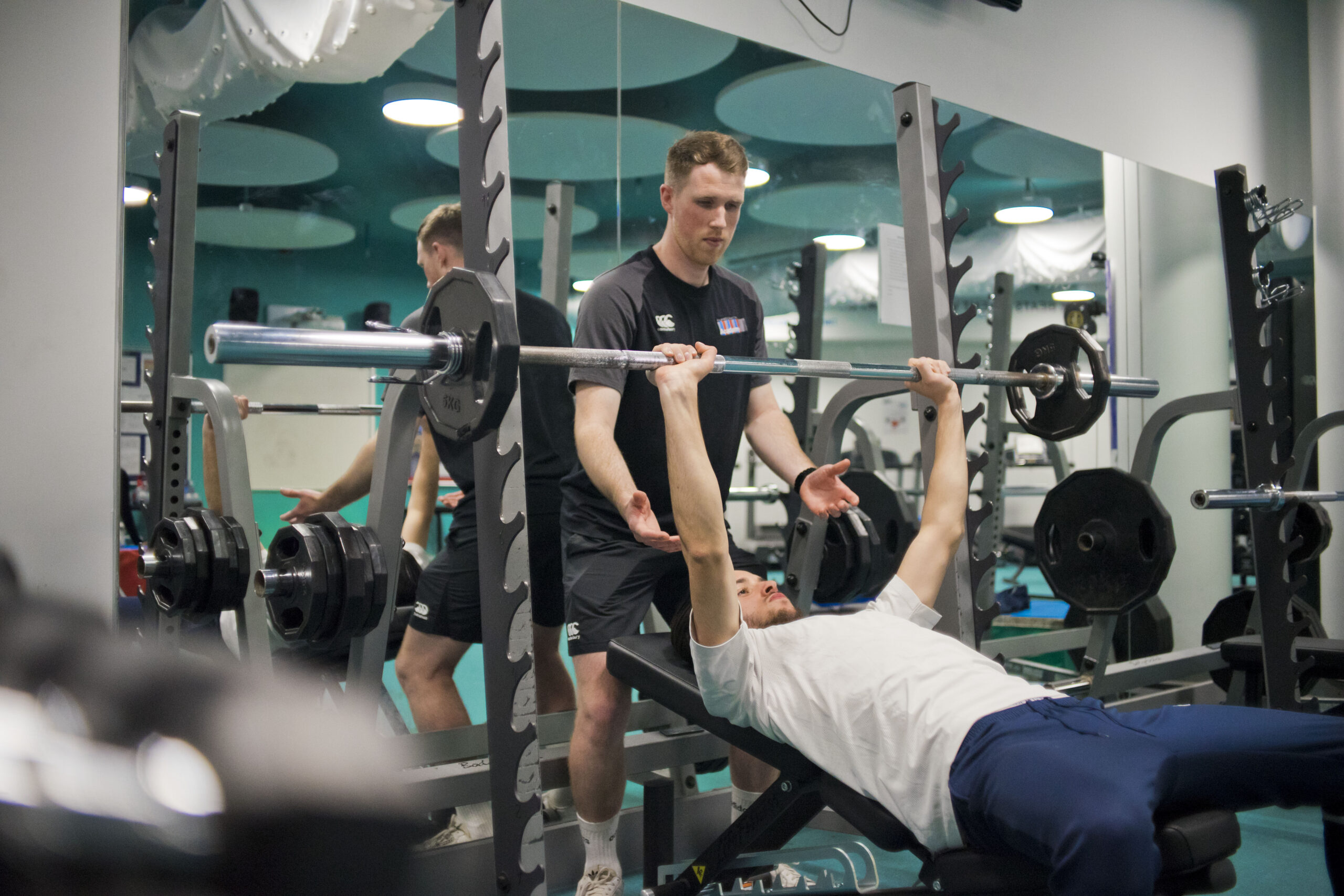
- Strength and conditioning sessions
- Guest speakers from the sports industry
These experiences widen understanding of professional pathways and connect learning to the real world.
Potential Careers
The qualification supports progression into:
Sports Coaching | Fitness Instruction / Personal Training | Physiotherapy (via higher study) | Sports Therapy | PE Teaching | Sports Development | Leisure Centre Management | Nutrition and Lifestyle Coaching | Strength and Conditioning | Health and Wellbeing Roles
It also prepares learners for undergraduate study in Sports Science, Sports Coaching, Sports Management, and Physical Education.